Pinglu Canal Opens as China’s Major River-to-Sea Trade Link
The Pinglu Canal officially opened on September 16, marking the first major river-to-sea project planned at a national level in China since 1949. Spanning 134.2 kilometers from Nanning to the Beibu Gulf, the waterway aims to reshape logistics for the country’s southwestern regions by providing a direct maritime route.
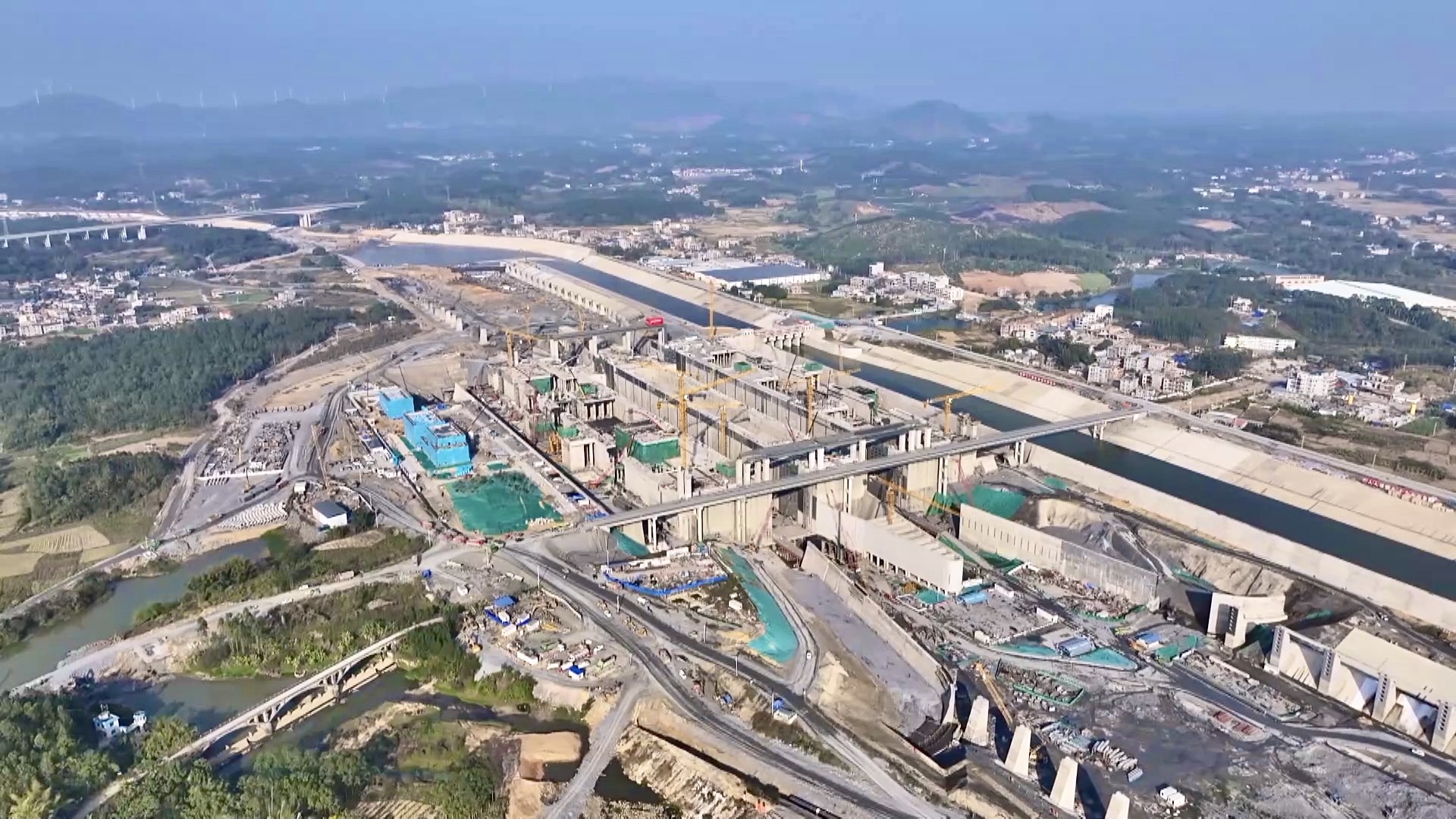
By connecting the Xijin Reservoir in Hengzhou to Qinzhou Port, the canal offers a strategic shortcut that bypasses traditional routes to Guangzhou. Industry estimates suggest the project will reduce river transit for goods by over 560 kilometers, yielding annual freight cost savings of roughly 5.2 billion yuan. Designed to accommodate 5,000-ton vessels, the canal relies on three sophisticated navigation hubs—Madao, Qishi, and Qingnian—that function as high-capacity water elevators.
Engineering teams implemented a pioneering three-tier composite water-saving system, which achieves water consumption reductions of up to 60 percent. The Madao Hub, in particular, houses the world’s largest water-saving ship lock, utilizing a complex network of basins to recycle water across a 65-meter elevation drop. Beyond the technical infrastructure, the project incorporates ecological safeguards, including dedicated fish migration passages and the relocation of nearly 10,000 mangroves to protect local ecosystems.
The development marks the realization of a century-old vision first proposed by Sun Yat-sen. Local officials expect the canal to serve as an anchor for new industrial supply chains and regional investment, effectively integrating China’s inland western provinces into global markets through the New International Land-Sea Trade Corridor.
Comments (0)
No comments yet. Be the first!