Inside China’s Decade-Long Quest for Industrial Digital Sovereignty
Under the hum of server racks and the glow of late-night monitors, Chinese engineers have spent ten years building a national digital infrastructure designed to bypass reliance on foreign protocols. The Industrial Internet Identifier Resolution System now manages over 700 billion digital identities, effectively mapping the nation's manufacturing backbone.
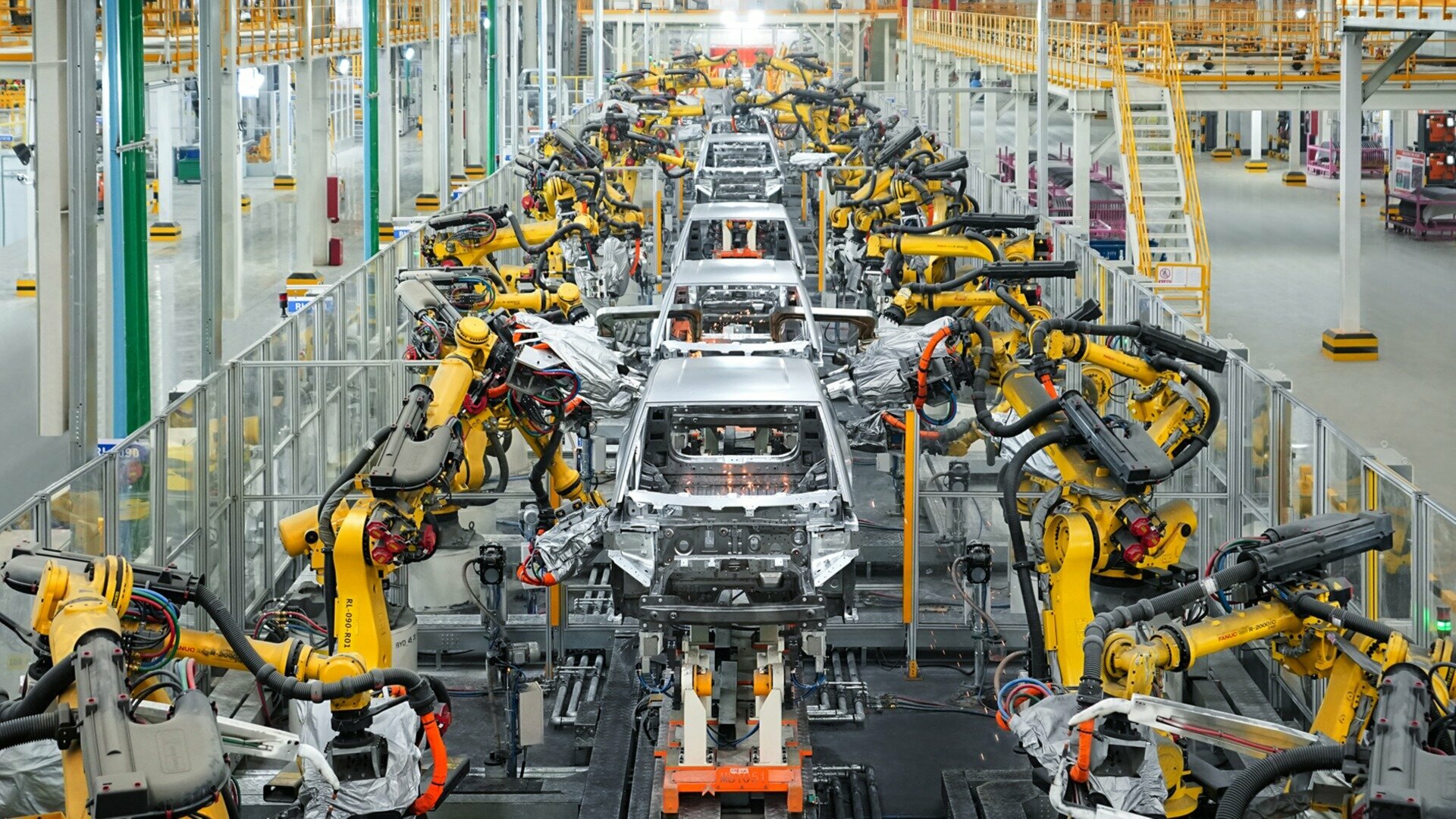
The system acts as a digital passport and navigation network for industrial hardware, assigning unique, traceable IDs to everything from electric vehicle batteries to pharmaceutical supplies. Developed under the guidance of the China Academy of Information and Communications Technology (CAICT), the project was once dismissed by skeptics as technically impossible. The challenge involved not only creating a secure, self-reliant architecture from scratch but also convincing thousands of enterprises to migrate away from long-standing, foreign-led standards.
For lead developers like Liu Hongyan, the work required solving systemic bottlenecks that threatened to stall national production lines. By integrating the system across 407 second-level nodes, the team successfully transitioned from a dependency-heavy model to a self-sufficient ecosystem. According to Gao Qi, deputy chief engineer at CAICT, the project represents a strategic pivot: moving from a passive follower of international internet standards to a pacesetter in global digital governance. The infrastructure now supports over 600,000 enterprises, with its most critical indicators ranking among the highest globally.
Beyond mere connectivity, the system serves as a foundation for integrating emerging technologies like blockchain and artificial intelligence into the real economy. By providing a unified language for data, it addresses the long-standing industry pain point where disparate systems could neither communicate nor share information. As the project matures, it facilitates a shift toward higher-quality manufacturing, allowing companies to predict equipment failures and track supply chains with precision. For the engineers involved, the goal is no longer just survival, but expanding this digital frontier to support China's 2035 vision of becoming a global leader in science and technology.
Comments (0)
No comments yet. Be the first!