Anatomage Expands Medical Training with Clinical Obesity Models
With one in eight people worldwide affected by obesity, San Jose-based Anatomage is introducing high-fidelity 3D reference models of Class I and Class III obesity to its medical education platform. The update allows students to move beyond surface-level observation to examine the internal structural shifts caused by metabolic and physical strain.
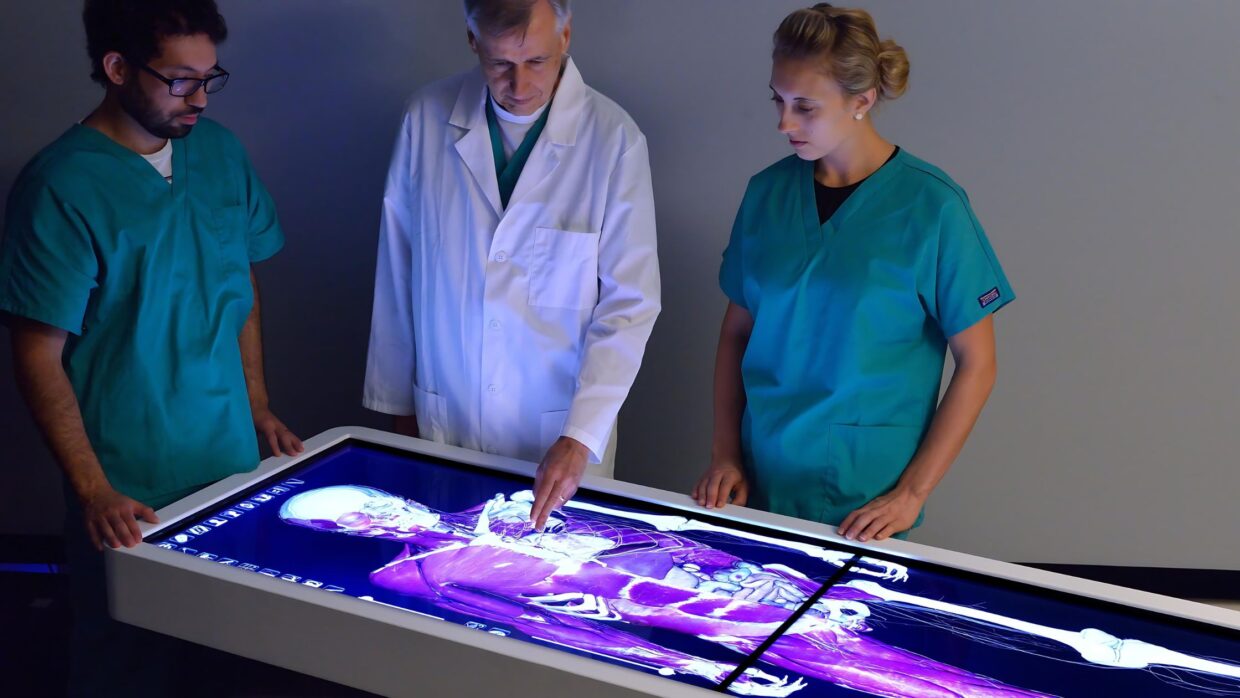
The new reference bodies, developed in accordance with World Health Organization and CDC standards, provide a rare opportunity to visualize the internal consequences of obesity. Beyond external skin folds and tissue volume, the models detail muscle hypertrophy, myosteatosis, and organ displacement caused by visceral fat accumulation. Anatomage’s integration of these models into its interactive table environment aims to help clinical trainees recognize the broad systemic changes associated with conditions like metabolic dysfunction-associated steatotic liver disease and polyendocrine metabolic ovarian syndrome.
Beyond obesity studies, the platform update introduces advanced physiological simulations, including detailed views of the swallowing process and sleep cycles. Students can observe airway collapse during obstructive sleep apnea or track the coordinated movement of over 50 structures during swallowing, bridged by a simulated video fluoroscopic view. The update further expands the library with nearly 200 histology slides, new healthy reference bodies, and enhanced ultrasound simulations. These tools, which will be available to eligible users at no additional cost, reflect a shift toward connecting microscopic, structural, and clinical data within a single, multidimensional workspace.
Comments (0)
No comments yet. Be the first!