Engineering Longevity in Colorado Springs Outdoor Living
Building outdoor spaces in Colorado Springs requires more than aesthetic vision; it demands a defensive engineering strategy against high-altitude sun, volatile wind gusts, and unstable soil. Klint Reiber, owner of Colorado Custom Decks & Mosaic Outdoor Living, details how local environmental stressors dictate structural choices.
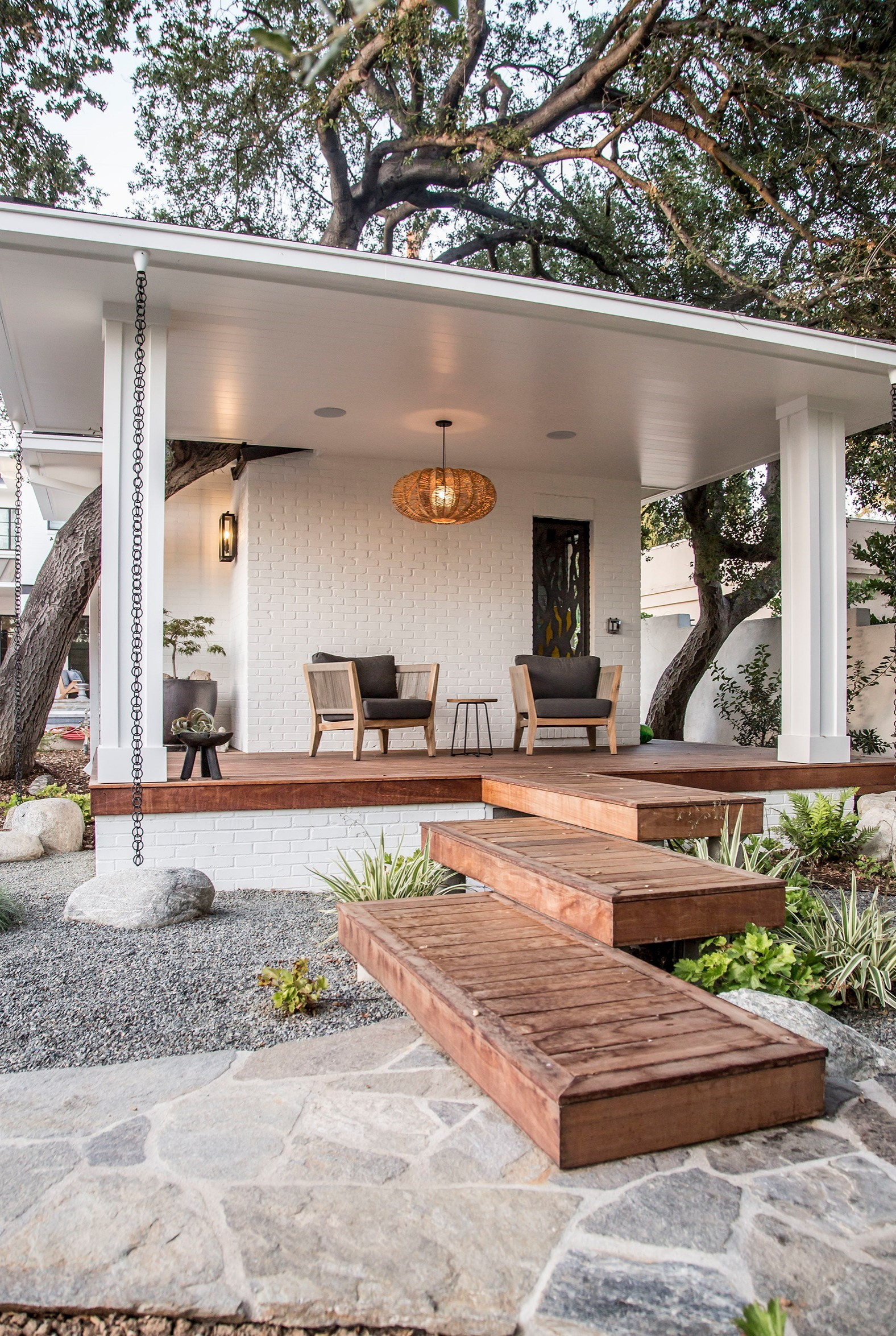
The unique climate of Colorado Springs forces a departure from standard construction practices. Materials that perform adequately in lower elevations often fail under the region's intense UV exposure and rapid temperature swings. Decking boards, for instance, are prone to aggressive expansion and contraction, leading to premature warping or cracking if the wrong composites are selected. Beyond surface materials, the city's foothill geography introduces sudden, uneven wind loads that can compromise pergolas and roof structures not specifically engineered for high-elevation gusts.
Structural integrity relies heavily on managing the region's shifting soils and freeze-thaw cycles. Without deep footings, robust concrete mixes, and reinforced steel framing, projects risk sagging or tilting as the ground settles. Reiber emphasizes that the most critical phase of any project occurs before construction begins, through rigorous drainage assessments and structural planning. When designers account for wind orientation, solar gain, and soil stability from the outset, the resulting outdoor environment functions as a permanent, year-round extension of the home rather than a seasonal fixture. Durable design succeeds not through isolated upgrades, but by integrating materials that work as a unified, weather-resistant system.
Comments (0)
No comments yet. Be the first!